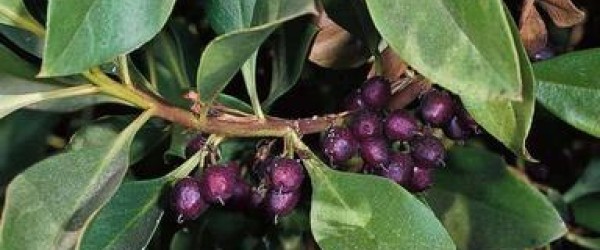
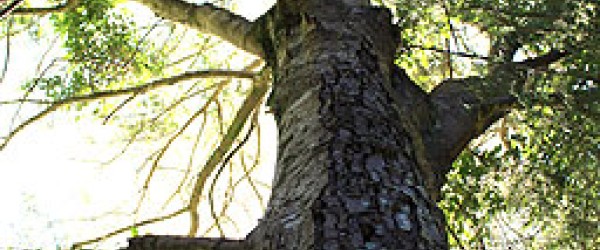
This tree, especially the fruit, is regarded as *POISONOUS*and should not be eaten. It has other uses. The Maoris knew the leaves as an insecticide, and rubbed them over their skin to keep away the namu (sand flies), or boiled the leaves and young shoots and used the water.
Medicines of the Maori
This database is currently under review. Please check back soon for updates
the female fruits, which are fleshy and bright red in colour, are rather like plums. They hang singly from the branchlets and are eagerly eaten by bush birds, especially pigeons. When the berry is crushed the flesh yields an oil with a turpentine flavour. This was given to patie
This database is currently under review. Please check back soon for updates
A fine forest tree from forty to a hundred and thirty feet high....Cracks in the trunks of old trees contain a considerable amount of this juice, which was known as matai beer by bushmen in early days. It was also used as an antiseptic and proved to be effective.
This database is currently under review. Please check back soon for updates
Apiarists say that manuka honey is second only to the famous heather honey of Scotland. The manuka has often been called a herb. Both plants have the same virtues, but the Maori people preferred this variety, (Tree manuka, white manuka) using the leaves and bark in a variety of w